Product Description
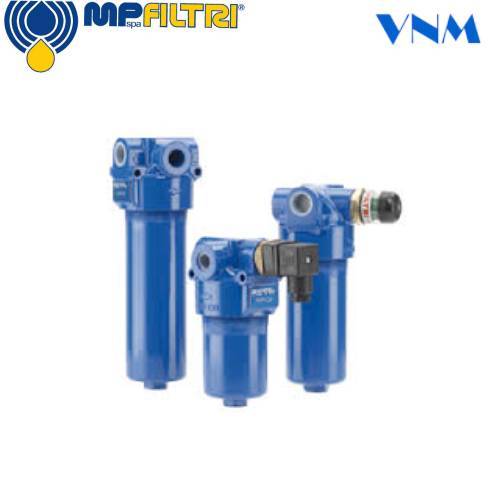
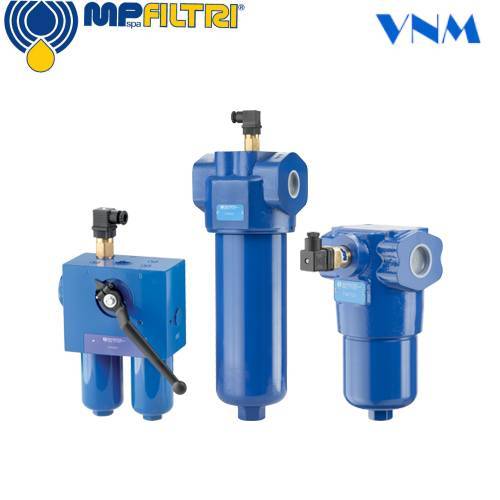
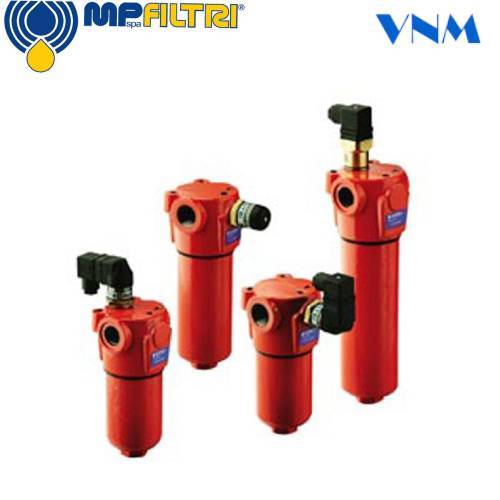
Hydraulic Oil Filters
VNM HYDROTEK are counted amongst the foremost exporters and suppliers in the concerned domain, offering a broad assortment of Hydraulic Oil Filters that is fabricated utilizing the best quality raw material and latest technology by our reliable merchants. These superlative filters are widely acknowledged for their hindrance free performance, effectiveness, durability and easy operations. The offered assortment is quality tested on various parameters and is widely treasured across domestic and international markets. Additionally, we offer this Oil Filters at a very reasonable price range.
Superior Filtration PerformanceEach hydraulic oil filter is designed to maximize particle capture, featuring advanced cellulose, glass fiber, or wire mesh elements. With a filtration grade classified as high-performance, these units efficiently remove contaminants down to 5 microns, ensuring hydraulic components remain protected and operational. Their high dirt-holding capacity reduces maintenance frequency and helps extend system service life.
Versatile Construction & ConnectionsOur filters are available in a choice of cartridge, element, or spin-on structures. Made from durable stainless steel, carbon steel, or aluminum, they suit various mounting requirements with BSP, NPT, SAE, or flanged end connections. Threaded, flanged, and inline mounting options provide seamless integration into diverse hydraulic setups and equipment.
Reliable Operation in Harsh ConditionsBuilt for resilience, these hydraulic oil filters maintain robust performance across a wide temperature range and under high pressures up to 350 Bar. The corrosion-resistant body and secure sealing (O-ring/gasket) ensure leak-free operation and long-term durability. Easy-to-use accessories like bypass valves and indicators simplify monitoring and maintenance, supporting efficient industrial processes.
FAQs of Hydraulic Oil Filters:
Q: How do I choose the right hydraulic oil filter for my equipment?
A: Selecting the proper hydraulic oil filter depends on your systems flow rate, operating pressure, and the required filtration grade. Consider media type (cellulose, glass fiber, or wire mesh), mounting preference (inline, threaded, or flanged), and compatibility with end connections such as BSP, NPT, SAE, or flanged options.
Q: What maintenance process should I follow for these filters?
A: Inspect hydraulic oil filters regularly based on operating hours and system recommendations. Replace or clean filter elements when the built-in indicator signals excessive contamination or at intervals suggested in the equipment manualgenerally between 5,000 and 8,000 hours, depending on usage conditions.
Q: Where are these hydraulic oil filters typically used?
A: These filters are ideal for hydraulic systems in industrial machinery, earthmoving equipment, and similar applications that demand high contamination control and reliability. Their robust construction and versatile mounting make them suitable for a variety of challenging operational environments.
Q: What benefits do high-performance hydraulic oil filters provide?
A: High-performance hydraulic oil filters offer superior particle removal efficiencyup to 99.9% at 10 micronsprotecting sensitive system components, prolonging equipment lifespan, and reducing downtime. Their high dirt holding capacity and corrosion-resistant bodies further enhance operational reliability.
Q: When should I replace my hydraulic oil filter?
A: Replace the hydraulic oil filter when the service indicator activates or after reaching the recommended operating hours (typically between 5,000 and 8,000, depending on application and oil cleanliness). Timely replacement ensures continued system protection and prevents contamination-related failures.
Q: What features ensure easy installation and replacement?
A: These filters come with user-friendly designs like threaded, flanged, or inline mounting, O-ring or gasket sealing, and optional bypass valves. Such features simplify installation, maintenance, and filter replacement, minimizing equipment downtime.

 Mon-Sat 9.00 AM - 6.00 PM






 Send Inquiry
 Send Inquiry
 Send SMS
