Product Description
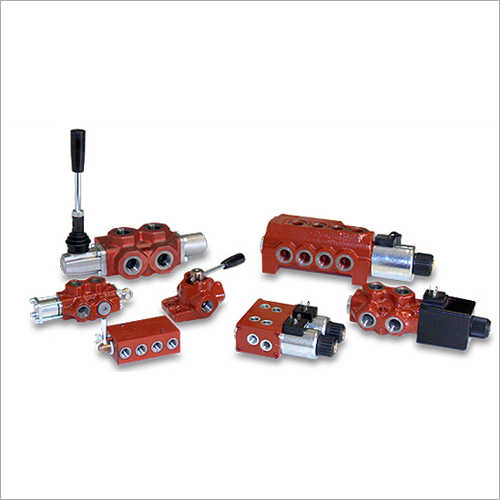
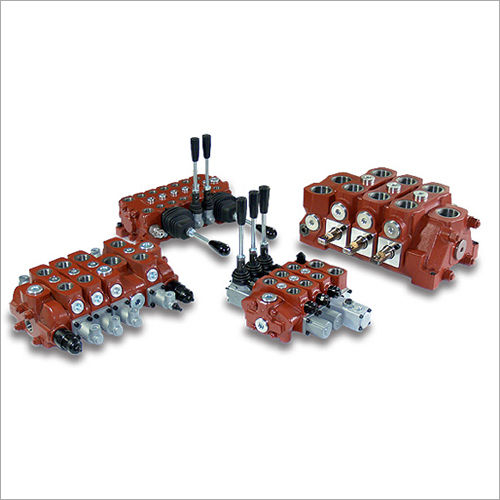
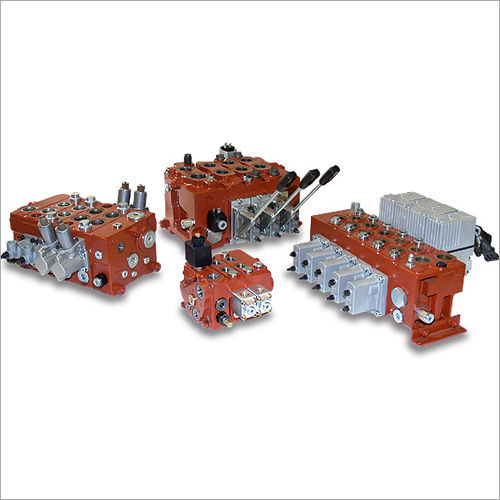
We are a renowned name which deals in supplying and exporting of robust Diverter Valves that can be used in high pressure fluid powered systems. It is designed to efficiently control the direction of fluid flowing within hydraulic systems. It is made up of top-grade alloyed steel that gives high tensile and compressive strength to resist extreme pressure. It is available n mechanical as well as electrically powered variants as per order placed by our customers. The offered Diverter Valves can be delivered to our customers in large quantities with supply ability of 50 pieces per week.
Versatile Control for Diverse IndustriesOur Flow Diverter Valves are suitable for handling a wide range of media, including solids, liquids, and gases. With high-grade material options and robust shot-blasted, painted, or polished finishes, they are engineered for reliability in bulk powder handling, grain operations, cement plants, food and beverage processing, and chemical industries. Built to withstand tough industrial environments, these valves ensure corrosion resistance and long operational life.
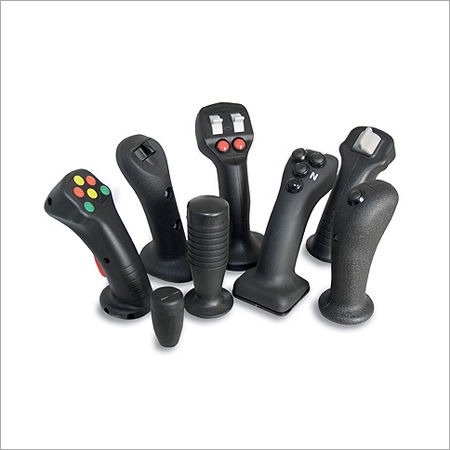
Advanced Actuation and Control IntegrationChoose from manual lever, pneumatic cylinder, or electric motor actuation to match your operational needs. The valves are fully compatible with PLC and DCS control systems, supporting both standard and adjustable actuation speeds. Electric actuators are available in multiple voltage ratings (24V/110V/220V AC/DC). For enhanced automation and feedback, consider add-on accessories such as limit switches, position indicators, and solenoid valves.
Durability, Efficiency, and Ease of MaintenanceDesigned to operate efficiently up to 1 million cycles, these valves offer exceptional durability even in continuous-use scenarios. The Class IV leakage rating (ANSI/FCI) ensures minimal loss, while PTFE, EPDM, or metal seating options guarantee optimal sealing for varying applications. Tool-free access makes inspection and maintenance swift, reducing downtime and maintaining productivity.
FAQs of Diverter Valves:
Q: How are Flow Diverter Valves installed and maintained?
A: The valves are simple to install, available with flanged, threaded, or welded end connections to suit ANSI, DIN, JIS, and BS standards. Maintenance is user-friendly, featuring tool-free access for quick inspection and component replacement, significantly minimizing system downtime.
Q: What types of media can these diverter valves handle?
A: These valves are engineered to manage solid, liquid, and gaseous media, making them suitable for bulk powders, grains, cement, food & beverage, and various chemical processes. The choice of body and sealing materials ensures compatibility across diverse applications.
Q: When should I choose pneumatic, electric, or manual actuation?
A: Manual lever actuation fits straightforward, infrequent use where automation is unnecessary. Pneumatic actuation is ideal for rapid cycling and remote locations, while electric actuation suits applications requiring integration with PLC/DCS systems and precise control.
Q: Where can these diverter valves be applied?
A: Commonly used in industries such as food & beverage processing, bulk powder handling, grain operations, cement manufacturing, and chemical plants, these valves efficiently direct material flow between different processing lines or storage units.
Q: What benefits do the Class IV leakage rating and high durability offer?
A: A Class IV (ANSI/FCI) leakage rating indicates minimal valve seat leakage, which enhances operational safety and efficiency. The design supports up to 1 million cycles, delivering long service life and cost savings through reduced need for replacements.
Q: How does the control system compatibility enhance my process?
A: Seamless integration with PLC or DCS systems enables efficient, remote monitoring and automation of flow control, improving accuracy, reducing manual intervention, and supporting advanced process management strategies.
Q: What accessories are available with these valves?
A: Accessories include limit switches for position feedback, position indicators, and solenoid valves for automation. These features support monitoring, improve safety, and facilitate system integration in complex operational environments.

 Mon-Sat 9.00 AM - 6.00 PM








 Send Inquiry
 Send Inquiry
 Send SMS
