Product Description
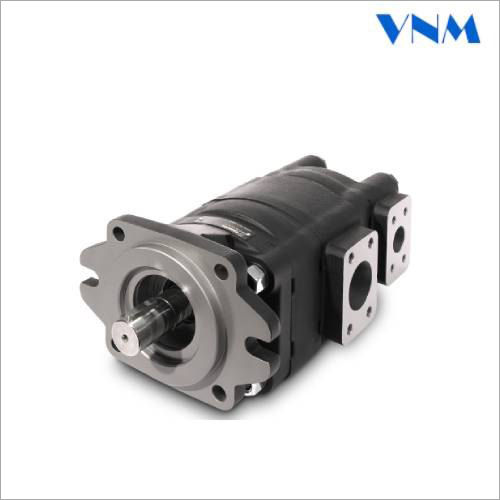
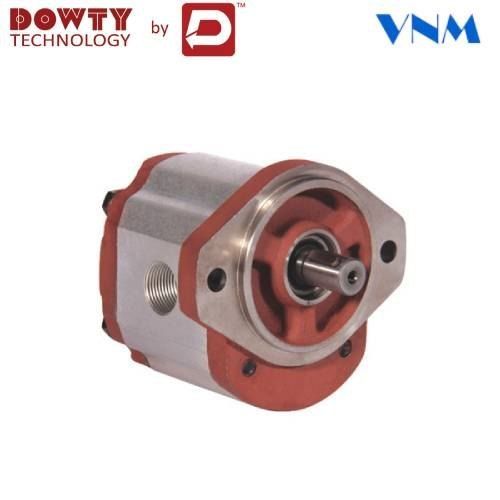
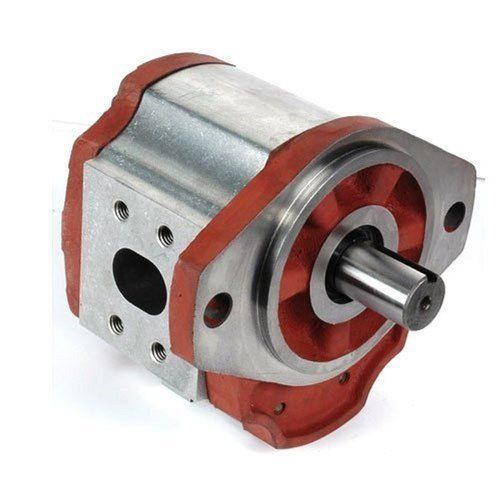
Our company is known as one of the leading manufacturers and suppliers of robust and energy efficient Cast Iron Gear Pumps that can be used in extreme pressure systems such as cranes, material handling units, heavy duty hydraulic presses, and many more to deliver pressurized working fluid at desired pressure. The gears of this unit are machined with precision tat result in smooth vibration free operation. It requires electrical power for efficient and controlled functioning. The flanged body of this unit makes it easier to rigidly install it using sturdy nuts and bolts. Get Cast Iron Gear Pumps as per your demands at a reasonable price.
Versatile and Durable PerformanceDesigned to accommodate a wide range of liquids, the cast iron gear pumps self-priming capability and positive suction ensure reliable operation. Built with corrosion-resistant materials, anti-rust coating, and heavy-duty sleeve bearings, it offers longevity even under strenuous conditions. The flexible shaft material options, from EN8 to SS316, further enhance its resilience in diverse settings.
Easy Installation and Low MaintenanceThis pump allows for both horizontal, base-mounted, and foot-mounted installations, accommodating various industrial requirements. Its threaded and flanged ports make for adaptable connections. The pumps mechanical seal and gland packing variations provide convenient leak prevention, while a thoughtful structure ensures routine maintenance is straightforward and infrequent.
Efficient Fluid Handling for Multiple IndustriesIdeal for oil transfer, lubrication, hydraulics, and food processing, this rotary gear pump offers flow rates from 10 to 250 LPM and heads up to 60 meters. Capable of handling viscosities up to 1500 cSt and temperatures between -10C and 80C, it suits a broad spectrum of fluids across industrial, chemical, and food-grade applications. The efficient design translates to low power consumption and quiet operation.
FAQs of Cast Iron Gear Pumps:
Q: How should I install the cast iron gear pump for optimal performance?
A: Install the pump horizontally using either the base-mounted or foot-mounted options provided. Ensure correct alignment with your system, select the appropriate port connection (threaded or flanged), and secure it firmly. For demanding applications, always follow the manuals recommendations for priming and start-up procedures.
Q: What types of fluids can this pump handle in industrial applications?
A: The pump is designed for oil, lubricants, mild chemicals, and compatible food processing fluids with viscosities up to 1500 cSt. It efficiently manages liquids at temperatures between -10C and 80C, making it suitable for use in industries such as chemical processing, hydraulics, and food production.
Q: When is maintenance required, and what does it involve?
A: Routine maintenance should be performed based on usage intensity and fluid type. Typically, it involves inspecting the mechanical seal or gland packing, lubricating bearings, and checking for any build-up or wear. Proper installation and usage as per manufacturer guidelines extend service life and reduce the frequency of maintenance.
Q: Where can the cast iron gear pump be used effectively?
A: This pump is effective in a variety of settings including factories, chemical plants, food processing units, and hydraulic systems. Its robust structure, corrosion resistance, and flexible mounting options make it suitable for both stationary and mobile applications, indoors or outdoors.
Q: What are the benefits of using a rotary gear pump with self-priming and positive suction features?
A: Self-priming and positive suction allow the pump to operate efficiently without external priming, enabling reliable and quick starts. These features minimize downtime, simplify fluid handling, and ensure consistent delivery even when the supply line may not always be fully primed.
Q: How does the control system (manual/automatic) enhance pump operation?
A: Depending on the model, the pump may feature manual or automatic control systems, offering flexibility for integration with your specific process requirements. Automatic control ensures consistent performance in automated operations, while manual settings provide hands-on adjustment when necessary.

 Mon-Sat 9.00 AM - 6.00 PM







 Send Inquiry
 Send Inquiry
 Send SMS
