Product Description
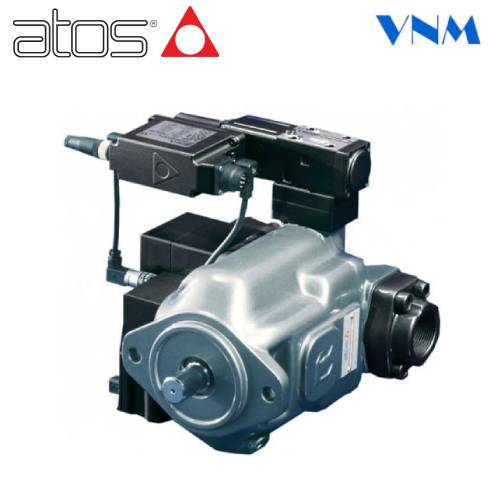
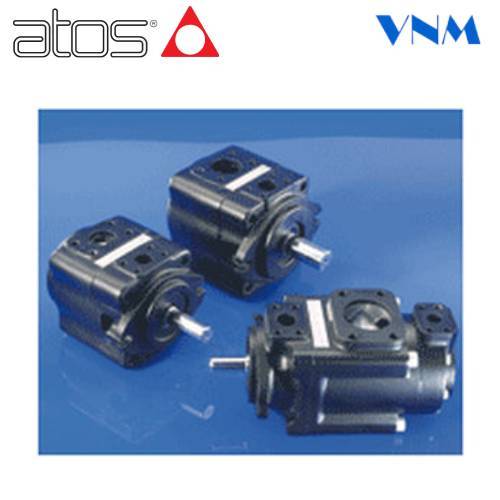
Hydraulic Piston Pump
The top priority of our organization is to achieve utmost customer satisfaction by supplying a quality assured range of Hydraulic Piston Pumps. Our experts manufacture these pumps using the best quality materials to comply with the set industry norms. These Hydraulic Piston Pumps are used in die casters, presses, power units and plastics machines. Precisely checked on various quality parameters, these pumps are available in various specifications as per the clients requirements and at a reasonable price.
Features:
- Noise free operation
- Sturdy structure
- Durable
Versatile, High-Performance DesignThe ATOS PFE/PV Series hydraulic piston pumps offer versatility with variable displacement configurations and a range of mounting options (flange or foot mount). Designed for industrial automation and machinery, they run smoothly at speeds up to 2800 RPM and feature robust cast iron construction for maximum durability. With advanced surface coatings and quality seals (NBR/Viton), these pumps minimize maintenance and extend operational life.
Efficient Operation for Demanding ApplicationsEngineered for optimal efficiency, the ATOS PFE/PV pumps support both threaded and flanged ports, allowing easy integration into complex hydraulic systems. The axial piston design ensures high volumetric efficiency and reliable self-priming operation (flooded or positive suction). With maximum pressures up to 350 bar, these pumps deliver consistent performance in machine tools, injection molding machines, and industrial automation setups.
FAQs of ATOS Hydraulic Piston Pump:
Q: How do I determine the correct displacement volume for my application with the ATOS PFE/PV Series?
A: Select the displacement volume (between 10 and 140 cc/rev) based on your required flow rate, system pressure, and the specific hydraulic needs of your machinery. Consulting your systems hydraulic design and flow demands will help choose the right pump variant for optimal performance.
Q: What is the process for mounting the ATOS hydraulic piston pump?
A: These pumps offer both flange and foot mount options. Ensure the mounting surface is clean and level. Secure the pump using the designated bolts and align the shaft correctly to prevent load misalignment. Follow the installation instructions in the user manual for details specific to your chosen mounting type.
Q: When should I replace the seals on the ATOS PFE/PV hydraulic pump?
A: Seals, made from NBR or Viton, should typically be replaced during scheduled maintenance intervals or if you observe hydraulic fluid leaks or performance drops. Its advisable to inspect seals after prolonged service, especially as the pump approaches or exceeds its rated service life of 5,000 hours.
Q: What are the main benefits of the anti-corrosion coated surface on this pump?
A: The anti-corrosion coating helps protect the external surfaces from moisture, chemicals, and harsh environments, thereby extending the pumps service life and maintaining its appearance and functionality, especially in industrial settings with potential exposure to corrosive agents.
Q: How does load sensing and pressure & flow compensation improve the pumps operation?
A: Load sensing and compensator controls automatically adjust the pumps output based on system requirements, enhancing energy efficiency, reducing heat generation, and minimizing wear. This ensures that the pump delivers only the necessary flow and pressure required by your machinery at any time.
Q: Where is the ATOS PFE/PV Series hydraulic piston pump typically used?
A: These pumps are commonly used in industrial automation, machine tools, and injection molding machines, as well as other applications requiring reliable and efficient hydraulic power delivery. Their robust design makes them well-suited for demanding and continuous-use environments.
Q: What are the usage requirements for ensuring optimal service life?
A: Operate the pump within the specified parameters for pressure (up to 350 bar), temperature range (-20C to +80C), and flow rates. Use recommended hydraulic oils, perform regular maintenance (including checking seals, cooling, and mounting), and follow ISO 9001-compliant procedures to achieve service life exceeding 5,000 hours.

 Mon-Sat 9.00 AM - 6.00 PM








 Send Inquiry
 Send Inquiry
 Send SMS
